
Long before we learned to read for ourselves, someone else read to us. The rhythm of a voice, the turning of a page, the picture of a world just beyond our reach - these were our first stories, our first lessons in attention. Children’s books are the earliest architecture of who we become. They teach us what danger feels like, what safety sounds like, how kindness can exist inside a sentence.
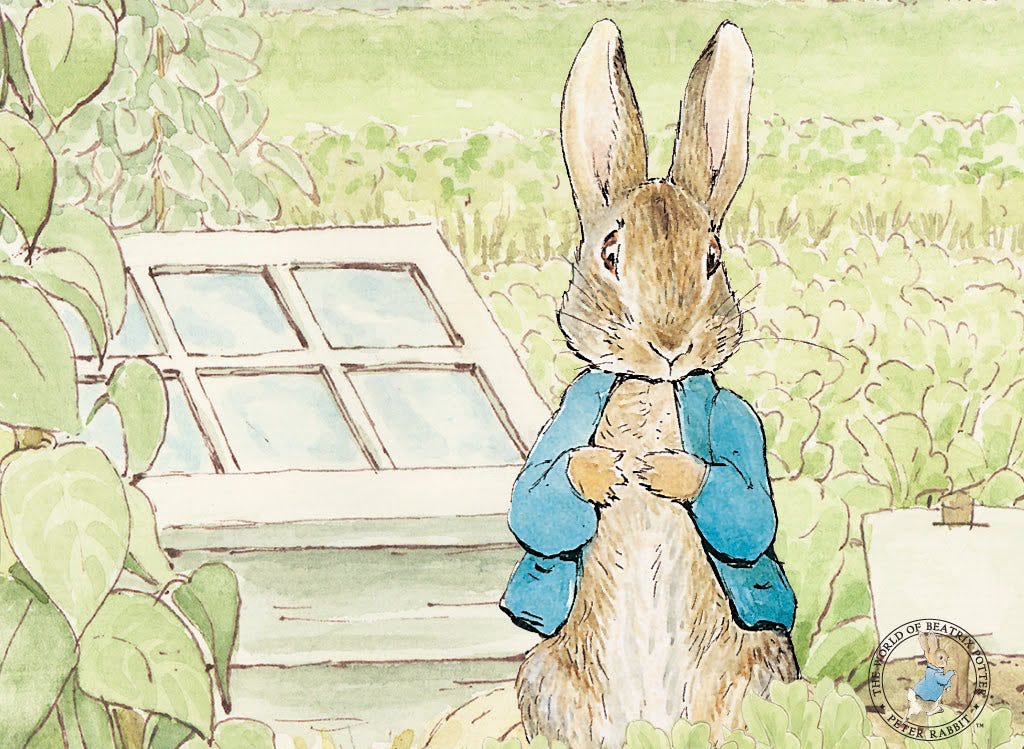
When I think of childhood reading, I think of Peter Rabbit - Beatrix Potter’s gentle tale of curiosity, disobedience, and consequence. Beneath its pastoral charm runs a current of risk: the garden is beautiful, but it is also forbidden. We learn, before we even understand why, that wonder is never separate from danger, and that curiosity is both punishment and reward.
I’ve been discovering more recent books only now, as I begin gifting them to my younger cousins: an unexpected and gentle way of returning to that world. Through their eyes, I find myself remembering the wonder I once felt when stories could still surprise me completely, when the turning of a page was its own small act of faith.
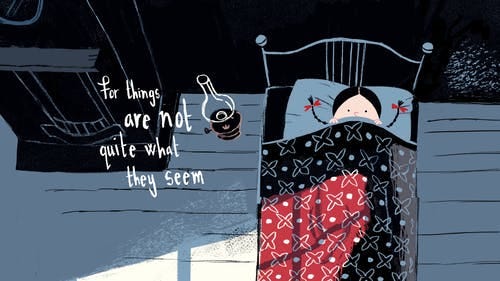
In Oliver Jeffers’s The heart and the bottle, a child locks her heart away after loss, only to find that to live without feeling is to live without light. It is a book about grief disguised as a picture book, a lesson in how love and loss arrive far earlier than we expect. And then there’s another one I love, Benji Davies’s The Grotlyn, a story full of shadow and imagination, where the unknown is not something to fear but to follow. The rhyme humms, the drawings glow, and by the end we’ve learned that what we fear is often just what we don’t yet understand.
Perhaps that’s what children’s literature does best: it gives shape to the mysteries adults forget how to name. We meet solitude for the first time, dressed as adventure. We encounter fear and discover that it can be survived. We see kindness, bravery, and small acts of forgiveness - seedlings of the moral compass we later call our own.
Reading those books now, as an adult, feels like visiting an old house and realizing how much of its structure still lives inside us - the walls, the light, even the smell of the air. The stories that raised us continue to echo quietly beneath our grown-up sentences.
Maybe that’s why I return to them sometimes - not out of nostalgia, but out of recognition. They remind me that wonder was once instinctive, that empathy was once effortless, that imagination was a kind of faith.
Children’s books show us how to see, long before we know what seeing means. And perhaps that’s why we never truly outgrow them: they are the first mirrors, and the last ones to tell us the truth.